In this article
- Why does boiler fuel matter so much?
- The four main boiler fuel options at a glance
- Is natural gas the best boiler fuel?
- When does diesel make sense?
- What about furnace oil?
- Is biomass the cheapest boiler fuel?
- How do you compare boiler fuel costs fairly?
- Why do so many plants choose dual fuel?
- Can you convert an existing boiler to a different fuel?
- How does fuel choice affect maintenance?
- Frequently asked questions about boiler fuel
- Choose your fuel with the full picture
The best boiler fuel for a Nigerian plant is usually pipeline natural gas where it is available, and biomass where it is not. Diesel is the simplest to use but the most expensive to burn. Furnace oil sits between them. Because supply is uncertain, many plants fit dual fuel burners so that they can switch.
Fuel is the largest cost of making steam. Over a few years, it dwarfs the price of the boiler itself. So the choice of boiler fuel deserves more thought than any other decision in a steam project. This guide compares the four main options on cost, supply, equipment and upkeep.
Why does boiler fuel matter so much?
A boiler turns fuel into steam all day, every day. For that reason, even a small difference in fuel price per unit of heat becomes a large sum over a year.
Fuel also shapes the plant. It decides the burner, the storage, the handling equipment, the chimney and the emission controls. It affects how many operators you need as well. In other words, when you choose a fuel, you also choose a boiler house.
Finally, fuel decides risk. When supply stops, production stops. In Nigeria, gas pressure can drop, diesel prices can jump and trucks can arrive late. Therefore, a good fuel plan always includes a backup.
The four main boiler fuel options at a glance
The table below compares the options in general terms. Actual prices move, so check current rates in your area.
| Factor | Natural gas | Diesel (AGO) | Furnace oil (LPFO) | Biomass |
|---|---|---|---|---|
| Fuel cost per tonne of steam | Low | Highest | Medium | Lowest in most areas |
| Capital cost of plant | Low | Low | Medium | Highest |
| Storage on site | None | Simple tanks | Heated tanks | Large covered yard |
| Handling effort | Very low | Low | Medium | High |
| Supply risk | Pipeline pressure and outages | Price swings | Quality varies | Seasonal, needs contracts |
| Emissions | Cleanest | Clean | Sooty if poorly tuned | Dust and ash to manage |
| Operator skill | Low | Low | Medium | High |
Is natural gas the best boiler fuel?
Where a pipeline reaches your gate, gas is hard to beat. It burns cleanly, so the boiler stays clean and efficient. It needs no storage, no heating and no trucks. Burners modulate smoothly as well, which suits changing loads.
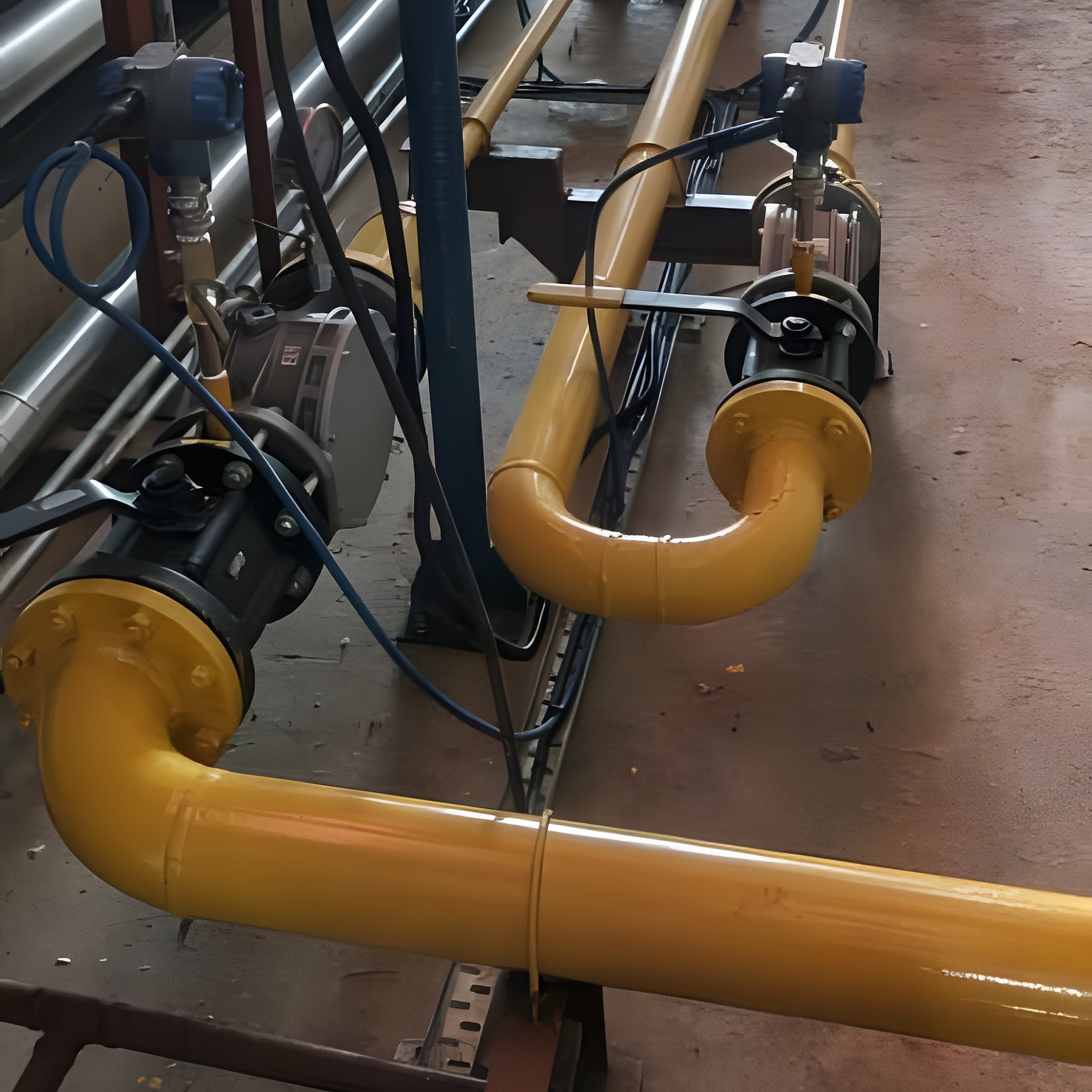
The equipment is modest. You need a pressure reduction and metering station, a gas train with safety shut-off valves, and correctly sized pipework. A competent contractor must install and test all of it, because gas leaks are dangerous.
However, gas has two limits. First, the pipeline network covers only parts of the country, mainly around Lagos, Ogun and some southern and northern industrial areas. Second, supply can dip. For plants off the grid, compressed natural gas by truck is an option, although it costs more than pipeline gas.
So gas is the first choice when you can get it. Even then, keep a second fuel ready.
When does diesel make sense?
Diesel, also called AGO, is available everywhere. Storage is simple, and burners are easy to run. Because of that, many small plants start with diesel.
The problem is cost. Per unit of heat, diesel is normally the most expensive boiler fuel on the market. Since deregulation, its price has also moved sharply. As a result, a plant that burns diesel every day carries a heavy fuel bill.
Still, diesel has a clear role. It is the ideal standby fuel. It also suits small boilers that run only a few hours a day, where the cost of a more complex system would never pay back.
What about furnace oil?
Furnace oil, often called LPFO or black oil, is a heavy fuel. It costs less than diesel per unit of heat, so it lowers the fuel bill.
Yet it asks more of the plant. Heavy oil is thick, so it will not flow or atomise when cold. Therefore, the system needs heated storage tanks, a heated ring main, good filters and a burner built for the fuel. Soot also builds up faster in the boiler, which means more cleaning.
Quality is a further concern. Water and sludge in a delivery can block filters and upset the flame. For this reason, test each delivery and drain the tanks regularly.
In short, furnace oil rewards plants with good operators and steady loads. It punishes plants that neglect it.
Is biomass the cheapest boiler fuel?
In many parts of Nigeria, yes. Palm kernel shells, wood chips, sawdust, rice husk and cashew shells are local and plentiful. Per tonne of steam, they often cost far less than any fossil fuel. Biomass is also a renewable fuel, which helps companies with carbon targets.
On the other hand, a biomass plant is a bigger investment. Solid fuel needs a covered storage yard, conveyors and feeders. The boiler needs a large furnace and a grate. After combustion, the plant must handle ash and clean the flue gas with cyclones, bag filters or an electrostatic precipitator. All of that adds steel, space and people.
Supply needs management as well. Prices rise in the rainy season, and wet fuel burns poorly. So successful plants sign supply contracts, hold several weeks of stock and keep the fuel dry.
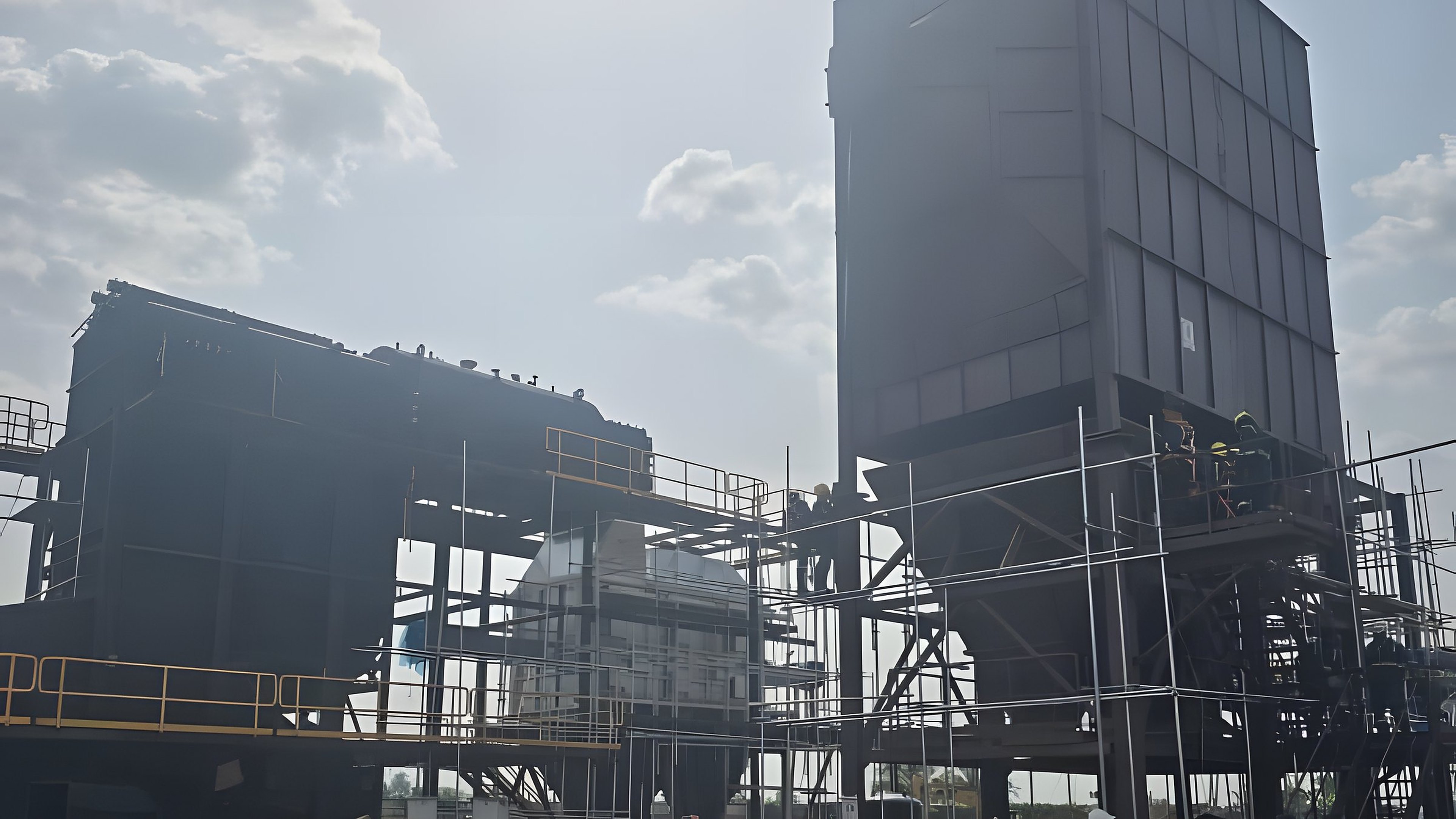
For large, steady steam loads, the numbers usually favour biomass strongly. Our biomass boiler installation for Dufil in Port Harcourt shows the scale of plant involved.
How do you compare boiler fuel costs fairly?
Never compare fuels by price per litre or per kilogram. Instead, compare the cost of a tonne of steam. Follow these steps.
- Find the heat content. Each fuel has a calorific value. Your supplier can provide it.
- Allow for efficiency. A gas boiler may convert more of the heat into steam than a biomass boiler does.
- Work out fuel per tonne of steam. Divide the heat a tonne of steam needs by the useful heat in each unit of fuel.
- Multiply by the delivered price. Use the price at your gate, including transport.
- Add the extras. Include power for fans and conveyors, ash disposal, extra labour and maintenance.
After that, set the yearly saving against the extra capital cost. A simple payback figure will show whether the switch is worth it. The International Energy Agency publishes useful background data on fuel prices and energy trends.
Why do so many plants choose dual fuel?
Supply risk is the reason. A dual fuel burner can fire gas and diesel, or gas and furnace oil. When gas pressure falls, the operator switches fuel and production continues.
The burner costs more, and the plant needs two fuel systems. Even so, one lost day of production often costs more than the difference. Therefore, most gas boilers we install in Nigeria have a liquid fuel backup.
Remember to run the backup regularly. A standby system that sits idle for months may fail when you need it. So test it on a schedule, and keep the tanks clean.
Can you convert an existing boiler to a different fuel?
Often you can. Changing from diesel to gas is the most common conversion. It usually needs a new or modified burner, a gas train, pipework and new safety checks. After that, a technician tunes the combustion again.
Switching to biomass is harder. A shell boiler built for oil or gas has a small furnace, so it cannot burn solid fuel directly. Some plants add an external furnace. Most choose a new biomass boiler and keep the old unit as standby.
Before any conversion, ask a specialist to check the boiler’s condition and the maker’s limits.
How does fuel choice affect maintenance?
Cleaner fuels mean less work. Gas leaves almost no deposits, so tube cleaning is light. Diesel is nearly as clean when the burner is in good order.
Furnace oil and biomass need more attention. Soot and ash coat the heating surfaces and raise the flue gas temperature. As a result, efficiency falls until someone cleans them. Biomass plants also need daily care of grates, conveyors and ash systems.
Whatever you burn, a written routine keeps the boiler efficient. Our boiler maintenance checklist includes the extra tasks for each fuel.
Frequently asked questions about boiler fuel
Which boiler fuel is cheapest in Nigeria?
Biomass is usually the cheapest per tonne of steam, followed by pipeline natural gas. Furnace oil comes next, and diesel is normally the most expensive. However, local supply and transport can change the order.
Can one boiler burn two fuels?
Yes. A dual fuel burner can fire gas and a liquid fuel. The operator switches between them when supply or price changes.
Is biomass boiler fuel reliable all year?
It can be, with planning. Sign supply contracts, store fuel under cover and hold several weeks of stock before the rainy season.
Do I need a new boiler to switch from diesel to gas?
Usually not. In most cases, a new burner, a gas train and new pipework are enough. A specialist should confirm it first.
Choose your fuel with the full picture
The right boiler fuel balances price, supply and the plant you are willing to run. So gather real prices at your gate, measure your steam load and compare the cost per tonne of steam.
Maven Technical Services installs gas, oil, dual fuel and biomass boilers, along with the fuel systems that feed them. Talk to our engineers about your options, or read our guide to industrial boiler installation in Nigeria.