In this article
- Why does a factory need a fire hydrant system?
- The main parts of a fire hydrant system
- How much water does the system need?
- What pumps does a fire hydrant system use?
- How does the pipe network work?
- Where should hydrants and hose reels go?
- How is a fire hydrant system installed?
- Which standards apply?
- Fire hydrant system or sprinkler system?
- How do you test and maintain the system?
- Which problems do we see most often?
- Frequently asked questions about fire hydrant systems
- Protect the plant you have built
A fire hydrant system is a network of pipes, pumps and outlets that delivers a large, reliable flow of water to fight a fire anywhere on a site. It has four main parts: a dedicated water store, a set of fire pumps, a pressurised ring main and the hydrants and hose reels that firefighters connect to. When it works, a small fire stays small.
Factories and warehouses in Nigeria cannot rely on a quick public fire service or on mains water pressure. So the site has to carry its own protection. This guide explains how a fire hydrant system works, how contractors install it and how to keep it ready.
Why does a factory need a fire hydrant system?
Extinguishers deal with a fire in its first minute. After that, a growing fire needs far more water than any extinguisher holds. A hydrant network delivers that water at pressure, to every corner of the site.
There are other reasons as well. Insurers usually ask for one before they cover a large facility. The fire service expects one when it inspects the premises. Above all, a fire can destroy stock, plant and jobs in a single night. Because of that, fire protection is among the cheapest forms of insurance a business can buy.
The main parts of a fire hydrant system
The table below lists the main components and what each one does.
| Component | Purpose |
|---|---|
| Fire water tank | Stores a dedicated reserve of water for firefighting |
| Electric main pump | Supplies the design flow and pressure |
| Diesel standby pump | Takes over when power fails |
| Jockey pump | Keeps the system pressurised and covers small leaks |
| Ring main | Carries water around the site from two directions |
| Hydrants and landing valves | Outlets for fire hoses, outdoors and indoors |
| Hose reels | First-aid firefighting for trained staff |
| Fire brigade inlet | Lets fire trucks pump into the system |
| Controls and alarms | Start pumps automatically and report faults |
How much water does the system need?
The design starts with risk. A store of steel parts needs less water than a warehouse full of packaging or a plant that handles solvents. So the designer first classifies the hazard.
Then the designer sets the flow, the pressure and the duration. Together, these decide the size of the tank. For example, a system that must deliver a set flow for one hour needs a tank that holds at least that volume, kept for fire use only.
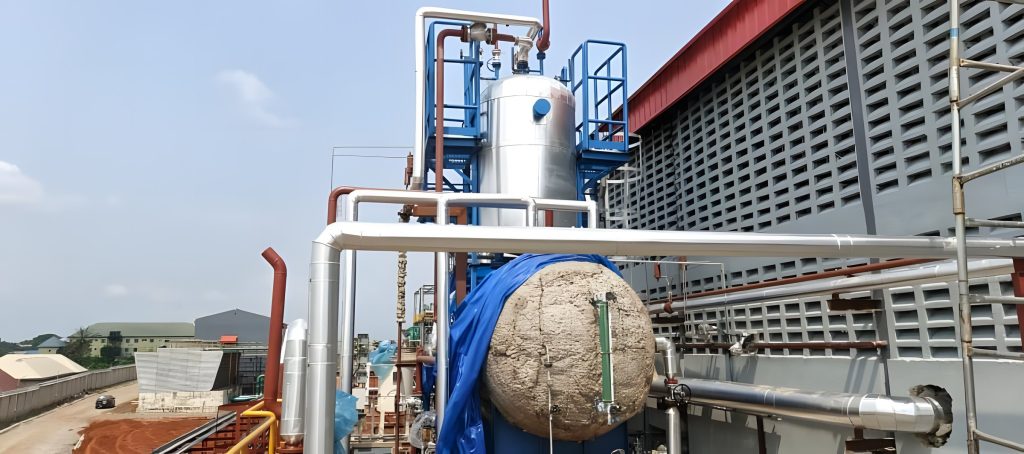
Keep the fire reserve separate from process water. If the plant shares a tank, the outlets for normal use must sit above the fire reserve level. That way, daily use can never drain the firefighting water. Many sites choose a pressed steel sectional tank for this duty, and our guide to the pressed steel tank explains why.
What pumps does a fire hydrant system use?
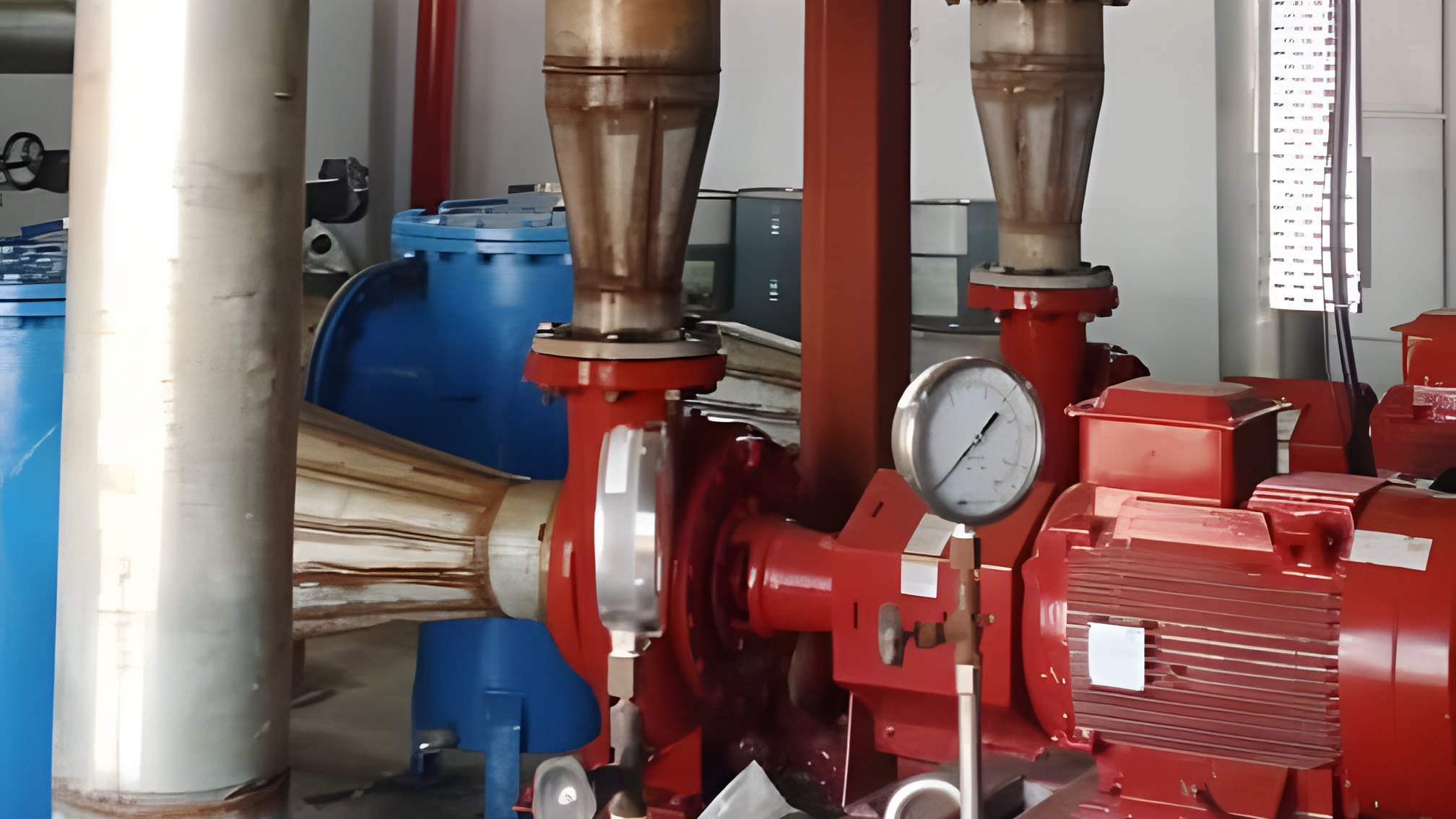
A fire pump set normally has three pumps.
The electric main pump. First, this pump does the work when a hydrant opens. It delivers the full design flow at the required pressure.
The diesel standby pump. Next, the diesel pump matches the main pump. It starts on its own if the electric pump fails or the power is off. Since fires and power cuts often arrive together, this pump is essential in Nigeria.
The jockey pump. Finally, a small pump keeps the pipes under pressure. It makes up for minor leaks, so that the big pumps do not start for no reason.
Pressure switches control the sequence. When a hydrant opens, pressure in the main falls. Then the main pump starts automatically. If pressure keeps falling, the diesel pump starts too.
The pump house needs care as well. It should have good ventilation, drainage, lighting and safe fuel storage for the diesel engine. Pumps should have a flooded suction where possible, because a pump that must lift water can lose its prime.
How does the pipe network work?
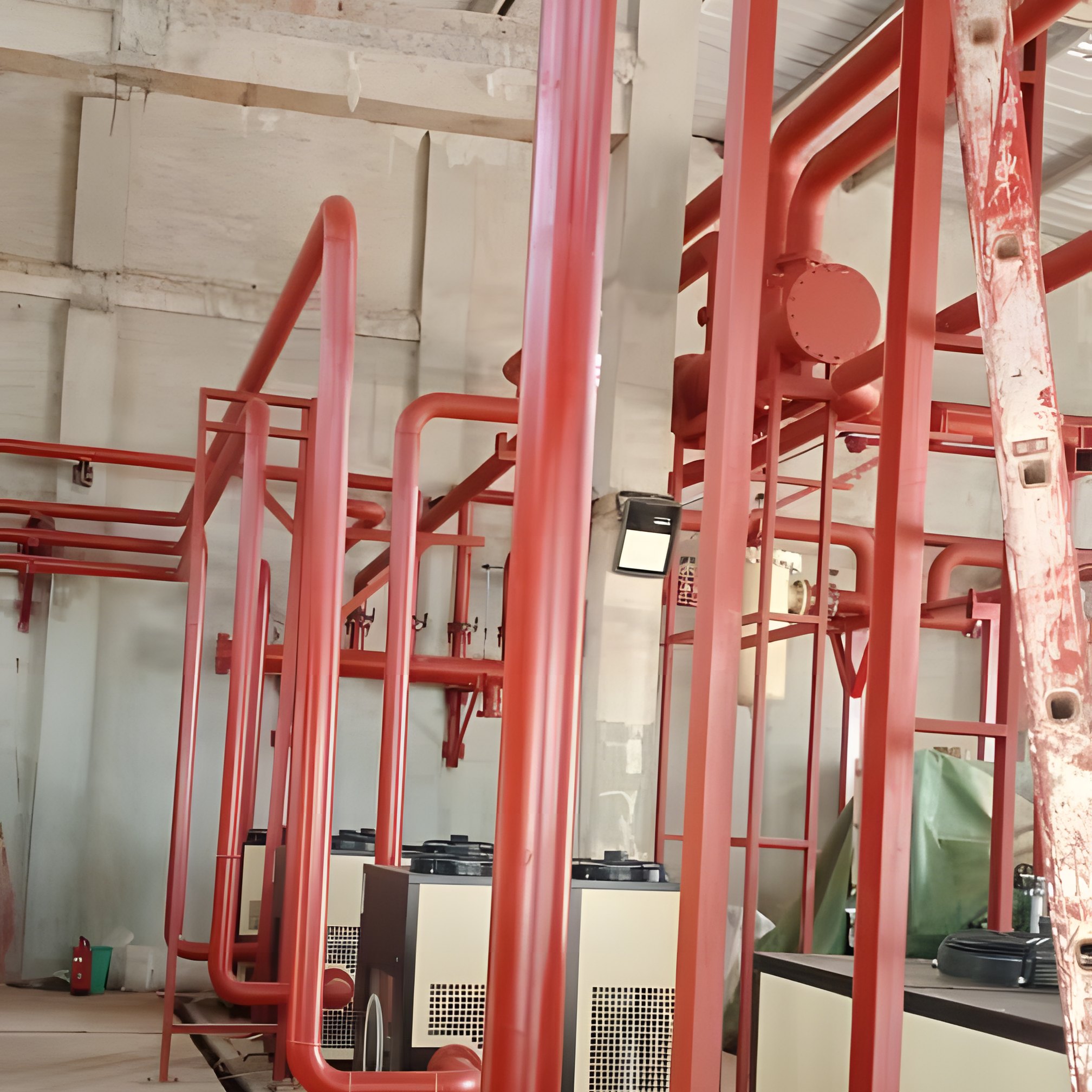
The pumps feed a ring main. A ring is a loop of pipe around the buildings, so water can reach any hydrant from two directions. As a result, the system keeps working even when one section is shut for repair.
Isolation valves divide the ring into sections. Therefore, a leak in one area does not take the whole fire hydrant system out of service.
Pipe materials depend on the route:
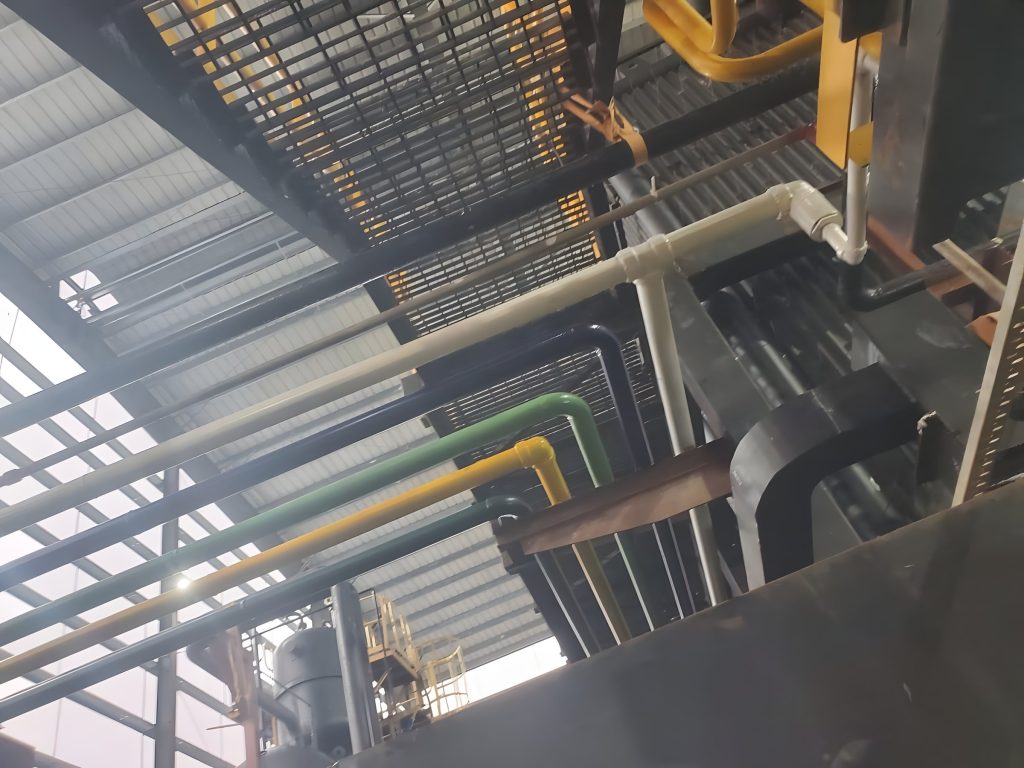
- Above ground. Most systems use carbon steel or galvanised steel pipe, painted red. Welded, flanged or grooved joints are all common.
- Below ground. Buried mains often use HDPE or ductile iron, because they resist corrosion. Steel needs wrapping and protection if it goes underground.
Supports matter. A fire main is heavy when full, and the thrust at bends is high when the pumps start. So the installer fits proper supports above ground and thrust blocks below ground.
Where should hydrants and hose reels go?
The aim is simple: a hose must be able to reach every part of the site.
Outdoor hydrants stand around the buildings, usually at regular spacing along the ring main. Keep them a safe distance from walls, so that firefighters can use them when the building is burning. Also protect them from vehicles with bollards.
Indoor landing valves sit near staircases and exits. In addition, hose reels cover the floor area, so that trained staff can attack a small fire quickly. Each hydrant point normally has a cabinet with a hose and a nozzle.
At the site entrance, a fire brigade inlet lets a fire truck boost the system. Mark it clearly, and keep it free of parked vehicles.
How is a fire hydrant system installed?
A typical installation follows these stages.
- Survey and design. The engineer assesses the risk, calculates the hydraulics and produces drawings.
- Approval. The owner, the insurer and the fire authority review the design.
- Tank and pump house. The team builds the tank base, erects the tank and installs the pumps.
- Pipe fabrication. Fabricators cut, weld and paint pipe spools in the workshop where possible.
- Installation. The crew lays buried mains, erects above ground pipe and fits valves, hydrants and hose reels.
- Flushing. Water runs through the mains to clear dirt and welding debris.
- Pressure testing. The team tests the pipework above its working pressure and checks every joint.
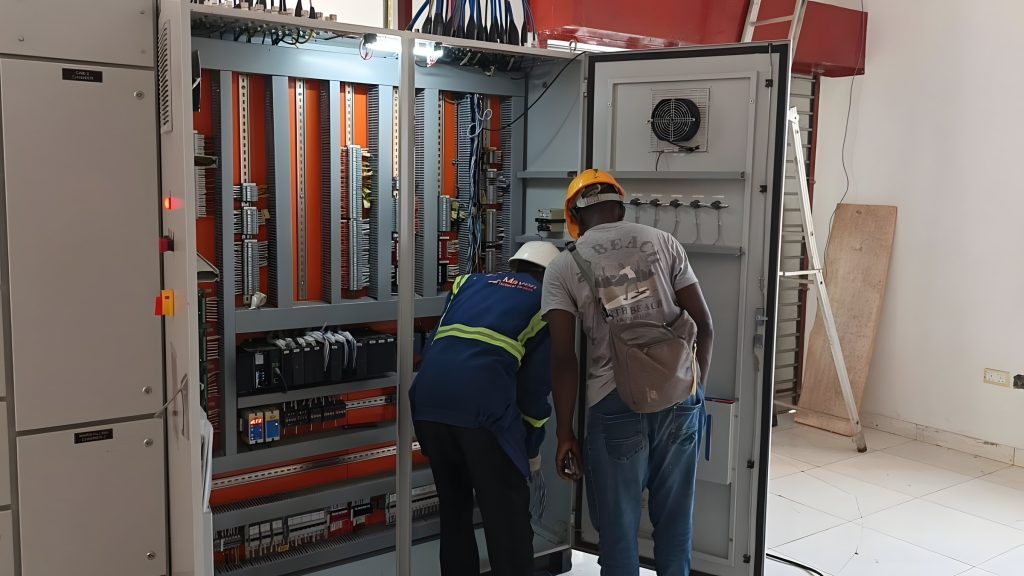
- Electrical work. Electricians wire the pump controllers, alarms and power supply.
- Commissioning. Engineers run each pump, prove the automatic start and measure flow and pressure at the furthest hydrant.
- Handover. The contractor trains staff and hands over drawings, test certificates and manuals.
Workshop fabrication speeds up the site work and improves weld quality. For that reason, a contractor with its own fabrication facility has a clear advantage.
Which standards apply?
Good designs follow a recognised code. The standards of the National Fire Protection Association are widely used around the world, including NFPA 14 for standpipe and hose systems, NFPA 20 for fire pumps and NFPA 24 for private fire mains. Some projects follow British or European standards instead.
In Nigeria, the fire service inspects premises and issues fire safety certificates. Insurers may add their own requirements. So agree the design standard with all parties before work starts.
Fire hydrant system or sprinkler system?
They do different jobs. A sprinkler system works automatically. Heat opens the sprinkler heads above the fire, and water starts to flow with nobody present.
A fire hydrant system, by contrast, is manual. People must connect hoses and direct the water. However, it delivers a large flow and can reach outdoor areas and tall structures.
High risk sites usually need both. The sprinklers control the fire early, and the hydrants give firefighters the means to finish it. Often, one pump set and one tank serve both systems.
How do you test and maintain the system?
A fire system sits idle for years. Then it must work perfectly in seconds. Only regular testing makes that possible.
Weekly. Run the electric pump and the diesel pump for a short time. Also check tank level, diesel fuel, battery condition and system pressure.
Monthly. Inspect hydrants, valves, hose reels and cabinets. Confirm that valves are open and that nothing blocks access.
Every six months. Open hydrants in turn to flush them, and check the flow.
Yearly. Carry out a full flow test on the pumps and compare the results with the commissioning figures. Service the diesel engine, and test alarms and controls.
Keep a log of every test. Insurers and inspectors will ask for it. In addition, the records reveal slow problems, such as a pump that weakens each year.
Which problems do we see most often?
When we survey existing systems, the same faults appear.
- a diesel pump that will not start because of a flat battery or stale fuel
- isolation valves left closed after a repair
- a fire tank that is half empty because the plant uses it for process water
- a jockey pump that runs constantly, which points to leaks
- buried steel mains that have corroded through
- missing hoses and nozzles in cabinets
- hydrants blocked by pallets, vehicles or new buildings
Each of these can make an expensive system useless on the day it matters. Therefore, treat testing as seriously as production.
Frequently asked questions about fire hydrant systems
What pressure does a fire hydrant system need?
It depends on the design standard and the height of the building. Many systems aim for several bar of pressure at the furthest hydrant while it flows. The designer confirms the figure by hydraulic calculation.
Why does a fire pump set need a diesel pump?
A fire often damages the electrical supply, and power cuts are common. A diesel pump starts independently, so the system still has water when the electric pump cannot run.
How often should fire pumps be tested?
Run them every week for a short period, and carry out a full flow test once a year. Record each result in a log.
Can the fire tank also supply the factory?
It can, but only if the design protects the fire reserve. The outlet for normal use must sit above the level of the firefighting volume.
Protect the plant you have built
A fire hydrant system protects people, stock and production. Yet it only works when it is well designed, properly installed and regularly tested.
Maven Technical Services designs, fabricates and installs fire hydrant lines, pump rooms and fire water piping for industrial clients across Nigeria. See our chiller plant, pump room and fire water piping project, or speak to our engineers about a new system or a survey of your existing one.