In this article
- What is a plant shutdown?
- Why do plant shutdown projects overrun?
- The phases of a plant shutdown
- Step 1: Define and freeze the scope
- Step 2: Plan every job
- Step 3: Build the plant shutdown schedule
- Step 4: Get materials on site early
- Step 5: Choose and prepare contractors
- Step 6: Plan safety for the plant shutdown
- Step 7: Control the work every day
- Step 8: Restart with care
- Step 9: Review and record
- What work is typical in a plant shutdown?
- Frequently asked questions about plant shutdown planning
- Plan early, finish on time
A plant shutdown is a planned stop in production so that teams can inspect, repair and upgrade equipment that cannot be worked on while it runs. A successful one has a frozen scope, a detailed schedule, every part on site before day one, strict safety control and a careful restart. Most shutdowns that overrun fail in the planning, long before the first valve is closed.
Every day offline costs lost output. So the aim is simple: do all the necessary work, safely, in the shortest realistic time. This guide sets out how to plan and run a plant shutdown that meets that aim.
What is a plant shutdown?
It is a period when the plant, or one section of it, stops by choice. During the stop, teams open equipment, clean it, inspect it and repair or replace parts. Many plants also use the time to tie in new lines and equipment.
People use other names as well. A turnaround usually means a large, full-plant event. An outage often refers to power or utility plant. Whatever the name, the principles are the same.
A planned stop differs sharply from a breakdown. In a breakdown, the plant chooses neither the time nor the scope. As a result, the repair costs more and takes longer. Good shutdowns therefore prevent breakdowns.
Why do plant shutdown projects overrun?
The causes repeat from site to site.
- Late scope. Jobs keep arriving after planning has finished.
- Missing materials. A gasket or bearing is not on site, so a whole job waits.
- Discovery work. Teams open a vessel and find more damage than expected.
- Poor isolation planning. Crews wait hours for permits and lock-offs.
- Too few supervisors. Work goes ahead without checks, and then needs redoing.
- Weak daily control. Nobody notices the delay until it is too late.
- Rushed restart. Leaks and trips at start-up cost more days.
Each of these has a remedy. However, the remedy must begin weeks or months earlier.
The phases of a plant shutdown
The table shows a typical timeline for a medium-sized stop. Larger events need longer lead times.
| Phase | When | Main activities |
|---|---|---|
| Scope definition | 3 to 6 months before | Collect jobs, inspect, set priorities, freeze the list |
| Planning | 2 to 4 months before | Job plans, schedule, resources, budget |
| Procurement | 2 to 4 months before | Order spares, materials and hired equipment |
| Pre-shutdown work | Final 4 weeks | Prefabrication, scaffolding, staging, inductions |
| Execution | The shutdown itself | Isolate, open, repair, inspect, close |
| Restart | Final days | Pre-start checks, leak tests, controlled start-up |
| Review | Within 2 weeks after | Lessons, records, list for next time |
Step 1: Define and freeze the scope
First, gather every candidate job. Sources include inspection reports, the maintenance backlog, operator complaints, statutory inspections and planned projects.
Then challenge each one. Ask a simple question: can this job be done while the plant runs? If it can, remove it from the list. A shutdown should hold only the work that truly needs the plant to stop.
Next, rank the remaining jobs by safety, legal need and production risk. Finally, set a freeze date. After that date, a new job enters only with senior approval. Because late additions cause most overruns, this discipline matters more than any other.
Step 2: Plan every job
A job title is not a plan. For each task, write down the steps, the trades, the hours, the tools, the materials, the access and the permits.
For example, a plan to replace a control valve should name the isolation points, the scaffold, the lifting gear, the new gaskets and bolts, and the test afterwards. In addition, it should state who signs it off.
Walk the job on site while you plan. Drawings do not show the pipe that blocks the crane, or the missing platform. So a walkdown saves hours later.
Step 3: Build the plant shutdown schedule
Now link the jobs in order. Some depend on others. For instance, nobody can enter a vessel until it has been drained, isolated, cleaned and gas tested.
The longest chain of dependent jobs is the critical path. It sets the length of the shutdown. Therefore, give those jobs your best people and your closest attention.
Also plan the shifts. Day and night working shortens the stop, but it needs double supervision, good lighting and clear handovers. Finally, level the resources, so that forty welders are not needed on one day and none on the next.
Step 4: Get materials on site early
Nothing stops a job faster than a missing part. In Nigeria, many spares come from abroad, and clearing takes time. So order long-lead items months ahead.
When materials arrive, check them against the order. Then stage them by job, in labelled kits. A fitter should not spend an hour in the store looking for bolts.
Hired equipment needs the same care. Book cranes, scaffolding, welding sets, compressors and test pumps early, and confirm them a week before.
Step 5: Choose and prepare contractors
Most plants need extra hands for a shutdown. However, a contractor who first sees the job on day one will lose time.
So select contractors early, and involve them in planning. Walk the site together. Agree the scope, the method, the manpower and the quality checks in writing. In addition, complete safety inductions and medical checks before the stop begins.
Prefabrication is a powerful tool here. A contractor with its own workshop can build pipe spools, supports and platforms in advance. Then the site work shrinks to removal and installation. We describe the workshop side in our guide to structural steel fabrication.
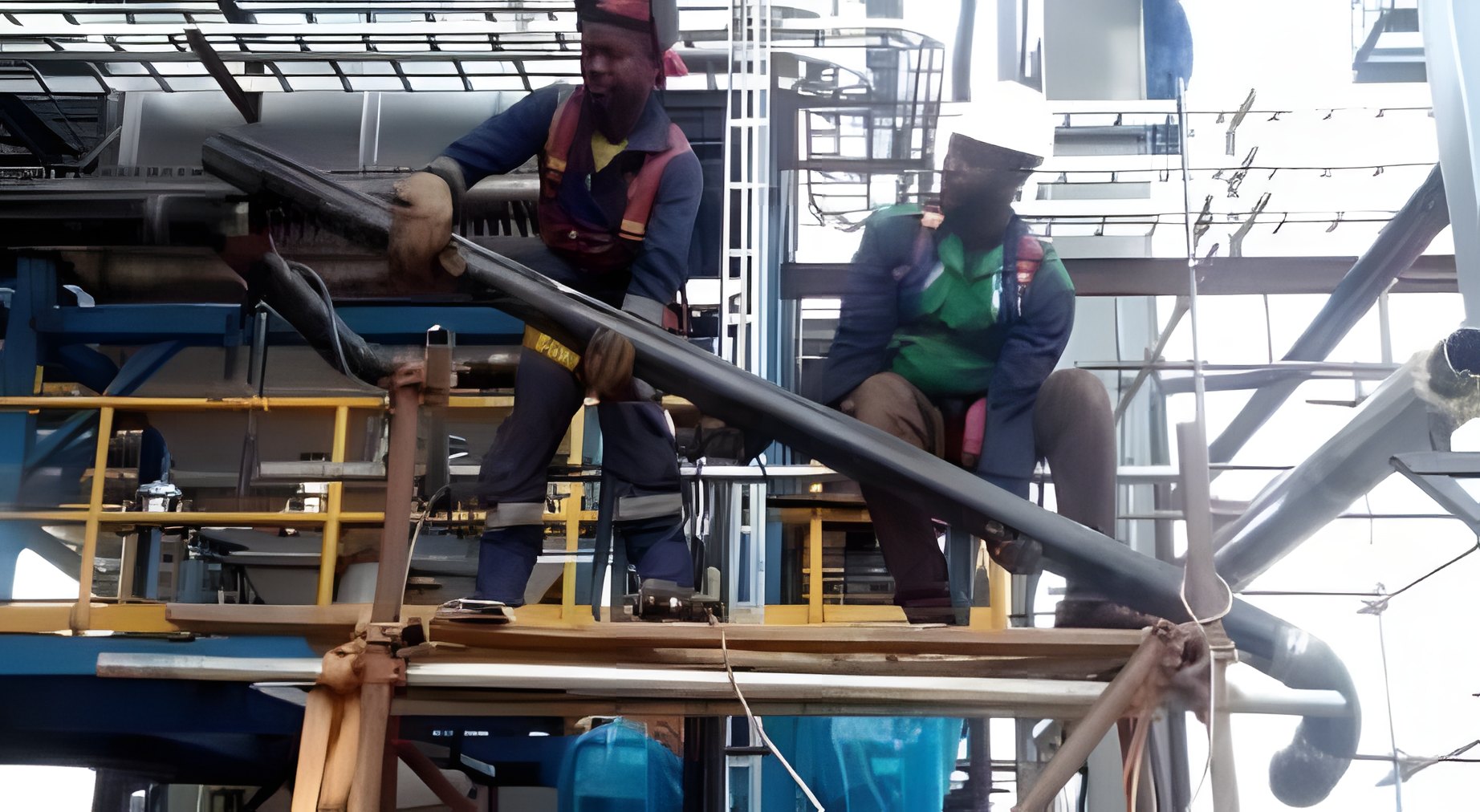
Step 6: Plan safety for the plant shutdown
A shutdown is the most hazardous time in a plant’s year. Many people, many of them new to the site, carry out unusual tasks under time pressure. Therefore, safety needs its own plan.
- Isolation. Lock out and tag every energy source: electrical, steam, gas, pressure and stored product.
- Permits to work. Use permits for hot work, confined space entry, work at height, lifting and excavation.
- Gas testing. Test vessels and pits before entry, and keep testing.
- Scaffolding. Use qualified scaffolders, and inspect and tag each scaffold.
- Lifting. Prepare lifting plans, and use trained riggers and a banksman.
- Fire watch. Post a fire watch for hot work, with extinguishers at hand.
- Emergency response. Brief everyone on alarms, muster points and first aid.
Hold a toolbox talk at the start of every shift. Bodies such as OSHA publish free guidance on lockout and confined space entry that applies on any site.
Step 7: Control the work every day
During execution, information is everything. Hold a short meeting each morning and each evening.
At each meeting, compare progress with the schedule. Ask three questions. Which jobs finished? What is late? Has any new work appeared? Then act at once on any slip in the critical path.
Discovery work needs a rule. When a team finds unexpected damage, a small group should decide quickly whether to repair now, repair temporarily or defer. Without such a rule, every find becomes an argument.
Quality checks continue throughout. Supervisors should sign off each job against its plan. Pressure parts need weld inspection and tests, as we explain in our guide to weld inspection.
Step 8: Restart with care
The last days carry real risk. Because everyone wants to finish, shortcuts tempt people. Resist them.
Before start-up, complete a formal check.
- Confirm that every job has been closed and signed off.
- Remove tools, scaffolds, blanks and temporary supports.
- Refit guards and covers.
- Return valves to their correct positions.
- Clear each permit, and remove locks in a controlled order.
- Carry out leak tests on opened joints.
- Test safety devices, trips and alarms.
- Warm up steam systems slowly, with drains open.
Then start in stages. Watch for leaks, vibration and unusual readings. A slow, careful restart almost always beats a fast one that trips.
Step 9: Review and record
Within two weeks, bring the team together. Discuss what went well, what went badly and why. Then write it down.
Update equipment records with what the teams found and fixed. In addition, start the scope list for the next shutdown immediately, while memories are fresh. Over the years, this habit shortens every stop.
What work is typical in a plant shutdown?
The list varies by industry. Still, some jobs appear almost everywhere.
- boiler opening, cleaning, inspection and statutory tests
- safety valve servicing and certification
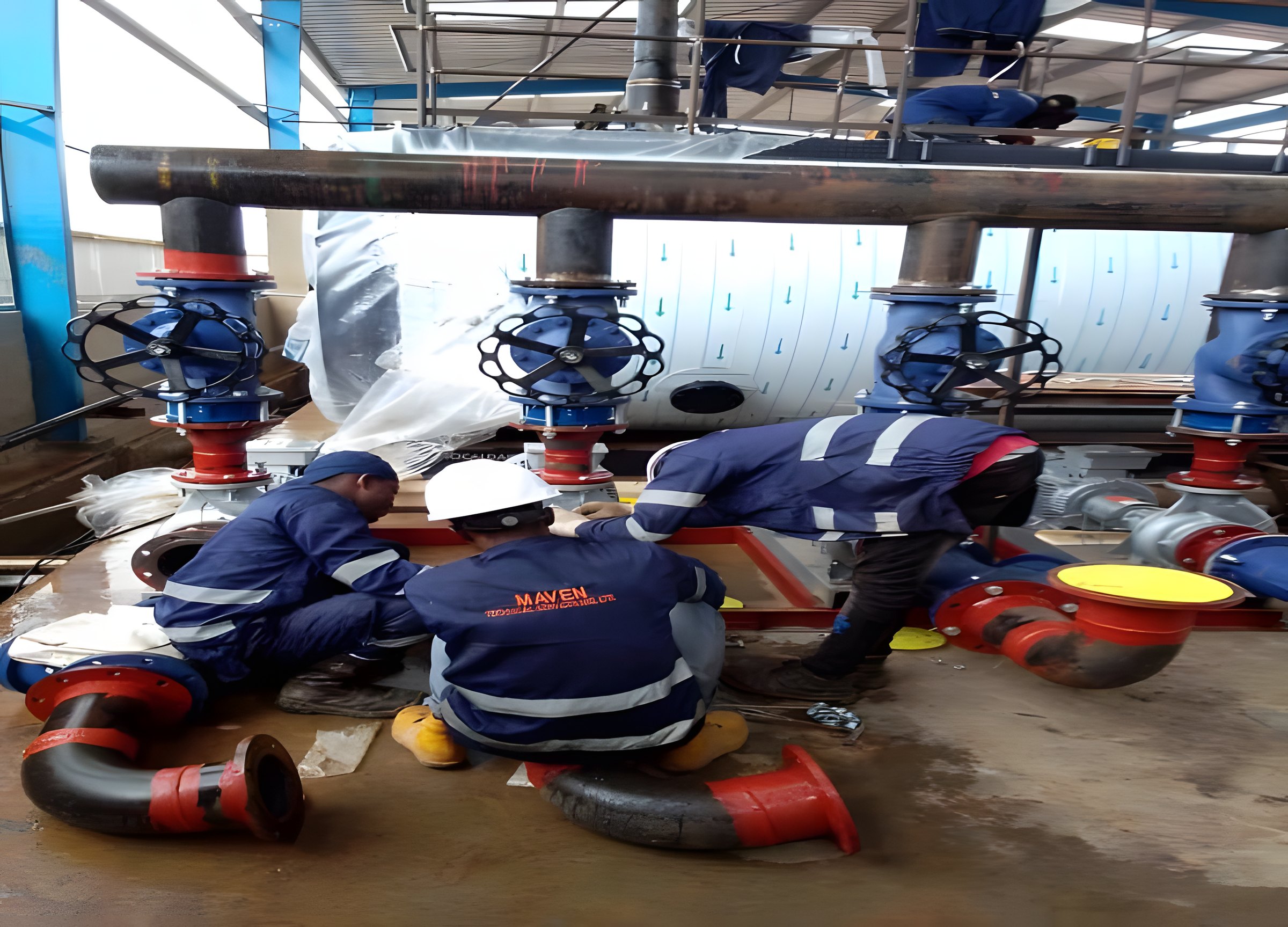
- replacement of valves, steam traps and worn pipe sections
- vessel and tank internal inspection
- heat exchanger cleaning and tube repairs
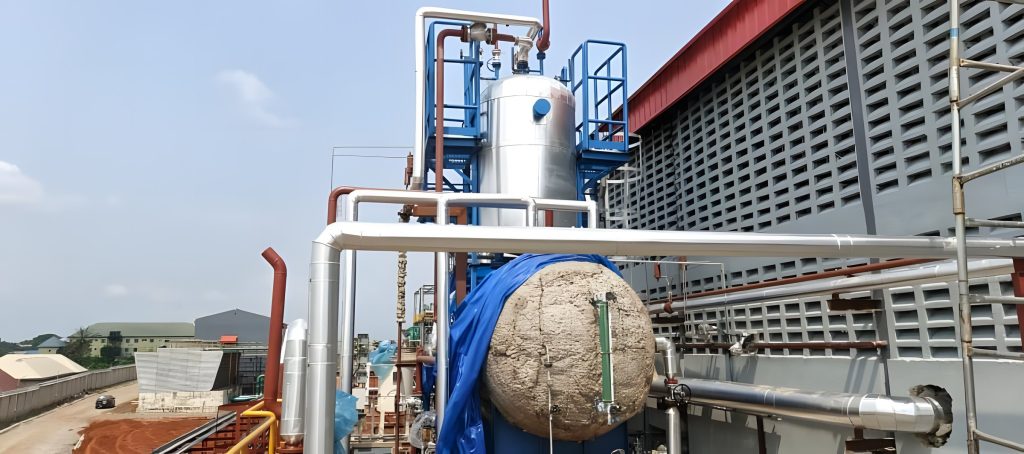
- insulation and cladding repairs
- pump, fan and gearbox overhauls
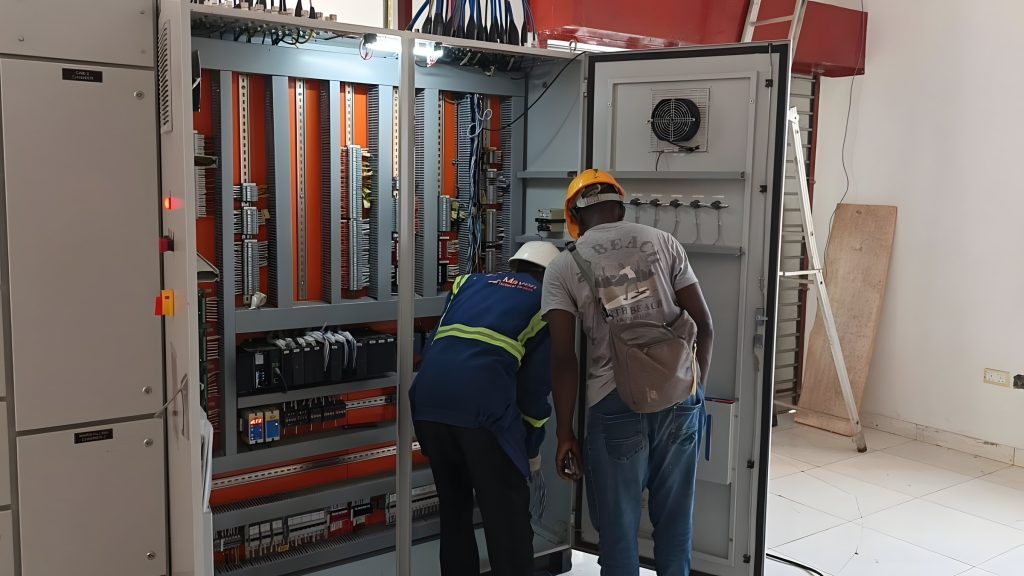
- electrical panel maintenance and testing
- structural repairs and painting
- tie-ins for new equipment and lines
For boilers, our boiler maintenance checklist lists the annual tasks in detail.
Frequently asked questions about plant shutdown planning
How long should a plant shutdown last?
It depends on the scope. A small utility stop may take two or three days. A full factory shutdown often runs one to three weeks. The critical path in your schedule gives the honest answer.
How far ahead should planning start?
Start three to six months ahead for a medium-sized stop, and earlier for large ones. Long-lead spares often decide the start date.
What is the difference between a shutdown and a turnaround?
People often use the terms loosely. In general, a turnaround is a large, planned event that covers the whole plant, while a shutdown can be any planned stop.
How do you stop the scope from growing?
Set a freeze date, and require senior approval for any later addition. Also separate true discovery work from jobs that people simply forgot.
Plan early, finish on time
A plant shutdown rewards preparation. With a frozen scope, a real schedule, materials on site and firm safety control, the work finishes on time and the restart is clean.
Maven Technical Services provides shutdown and maintenance support for industrial plants across Nigeria, including boiler work, piping, fabrication and insulation. Tell our engineers your scope and dates, and we will reply with a method, a schedule and a price.