In this article
- The job at a glance
- What boiler feed water piping does
- Why two boilers need good headers
- Installing the pumps properly
- Supports make or break boiler feed water piping
- Insulating the lines
- Painting and corrosion control
- Choosing materials for boiler feed water piping
- Common problems in boiler feed water piping
- How water quality ties it together
- Testing and handover
- Advice for plants with more than one boiler
- See the project
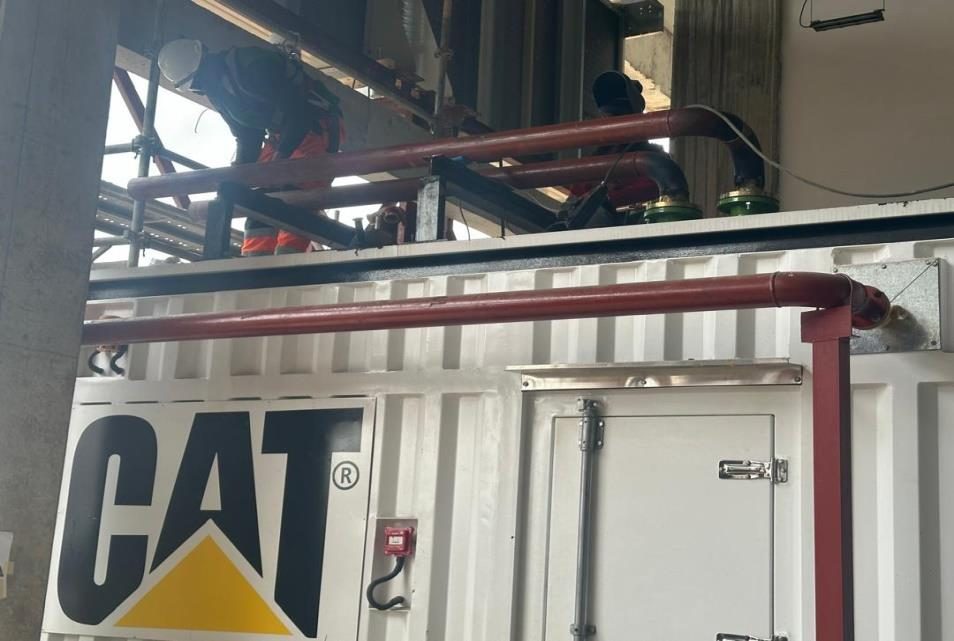
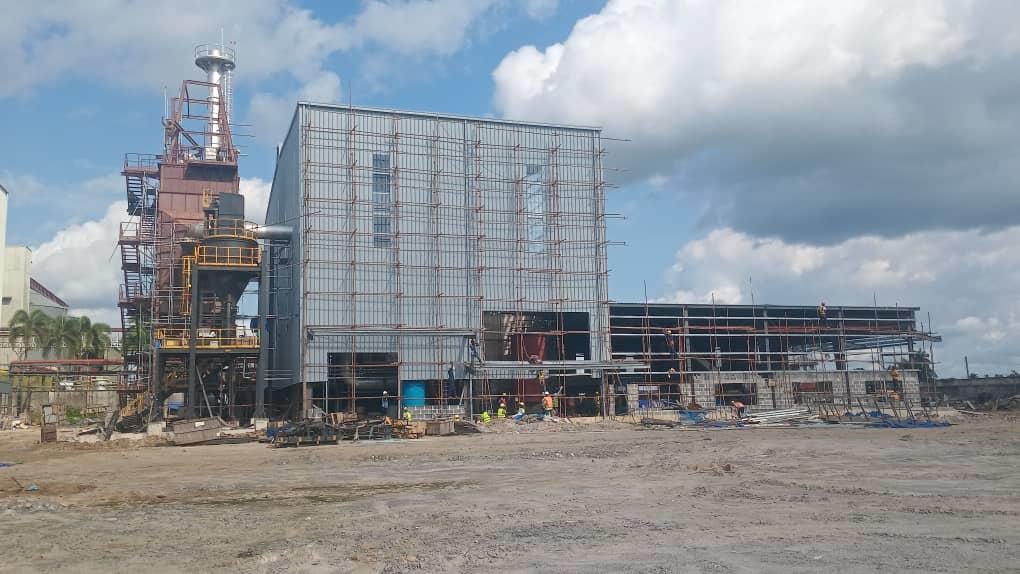
A boiler can only make steam from the water it receives. If that water arrives late, dirty or at the wrong pressure, the boiler suffers. That is why boiler feed water piping is one of the most important systems in any boiler house. For De-United Foods Industries in Benin City, Edo State, we installed four pumps and built the headers, pipelines and supports that serve two boiler units. Then we insulated and painted the whole system.
This post covers what we built and explains why the water side of a boiler deserves as much attention as the fire side.
The job at a glance
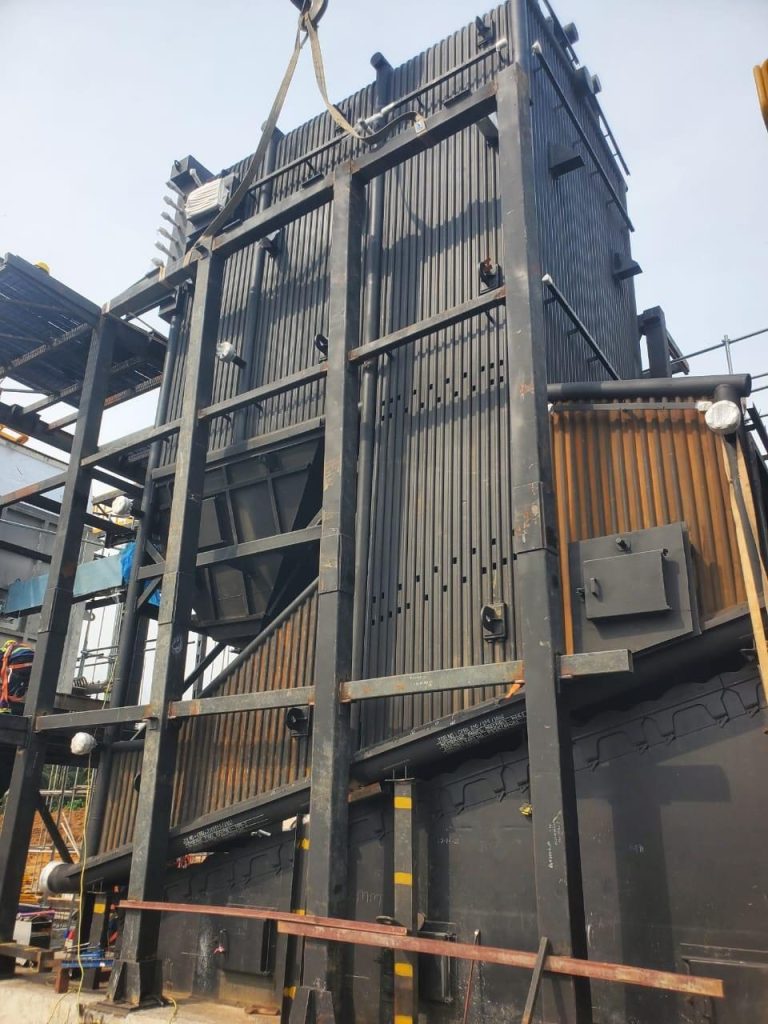
De-United runs two boilers to support food production. Our scope covered the connections that move water from treatment to the boilers and back again.
Pumps. First, we installed four pumps. These drive water through the system and into the boilers against boiler pressure.
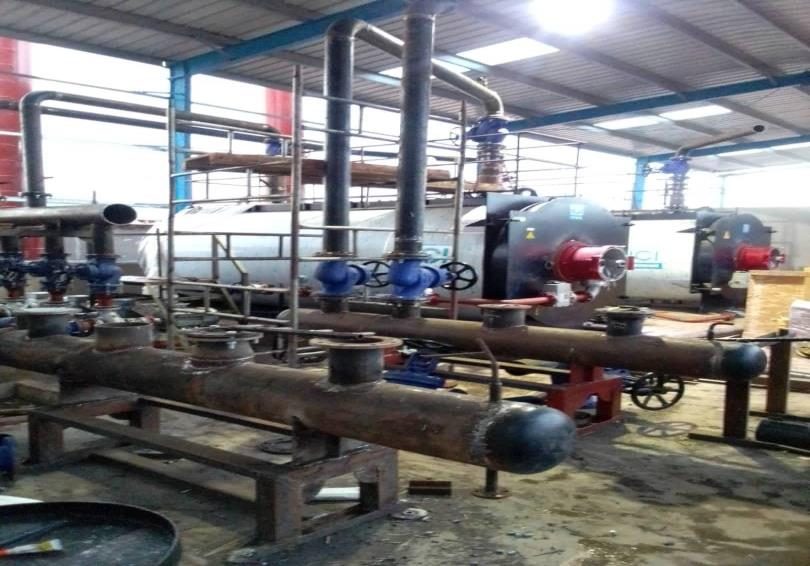
Headers and pipelines. Next, we fabricated and connected the headers and pipelines. These ran from the header to the boilers, from the water softener to the pressurised tanks, from the pressurised tank to the boiler, and along the return header.
Supports. Then we fabricated and erected pipe supports for all the connected piping.
Insulation. After that, we thermally insulated the pipelines to specification.
Painting. Finally, we painted the pipelines and supports.
What boiler feed water piping does
In simple terms, boiler feed water piping carries treated water from the water treatment plant to the boiler. Along the way, it may pass through softeners, tanks, deaerators and pumps. Each stage prepares the water a little more.
Softening. First, the softener removes hardness, such as calcium and magnesium. Without softening, these minerals form scale inside the boiler.
Storage and heating. Next, water collects in a tank. Often, it is heated or pressurised there, which drives out dissolved gases and reduces corrosion.
Pumping. Then feed pumps push the water into the boiler. They must overcome boiler pressure, so they work hard all the time.
Distribution. Meanwhile, headers split the flow between boilers, so each unit gets what it needs.
When all of this works, the boiler gets clean, warm water at the right rate. When it does not, problems follow quickly.
Why two boilers need good headers
With two boilers, the plant has flexibility. It can run one or both depending on demand. It can also keep producing while one unit is down for maintenance.
However, that flexibility depends on the headers. A header is a larger pipe that collects flow and distributes it to several branches. On the feed side, the header must give each boiler an even, steady supply. On the return side, it must collect flow without starving any branch.
Therefore, we sized and arranged the headers so the system works well with one boiler or two. We also placed valves so operators can isolate either boiler without shutting the other down.
Installing the pumps properly
Feed pumps run for thousands of hours a year. So small installation errors turn into big maintenance bills.
Level bases. First, each pump must sit on a firm, level base. Otherwise, the pump and motor vibrate and wear out early.
Alignment. Next, the pump and motor shafts must line up closely. Poor alignment damages couplings, bearings and seals.
Pipe strain. Also, the piping must not pull or push on the pump nozzles. We support the pipe independently, so the pump carries no pipe weight.
Suction conditions. In addition, the suction side needs enough pressure and a smooth path. Otherwise, the pump can cavitate, which erodes the impeller and makes a gravel-like noise.
We checked each of these points during installation, because they decide how long the pumps will last.
Supports make or break boiler feed water piping
Pipe supports are easy to overlook. Yet they carry the pipe, the water inside it and the insulation around it. They also control how the pipe moves as it heats and cools.
Warm feed water makes pipes expand. If supports hold the pipe too rigidly, stress builds at flanges, valves and pump nozzles. On the other hand, if supports are too loose, the pipe sags and vibrates.
So we fabricated and erected supports designed for the loads and movement involved. Guides, anchors and sliding supports each have their place. Getting them right keeps the boiler feed water piping quiet, tight and leak-free for years.
Insulating the lines
Feed water is often warm or hot. The warmer it is when it reaches the boiler, the less fuel the boiler burns to turn it into steam. Therefore, insulating feed and return lines saves energy every hour the plant runs.
Insulation also protects people from hot surfaces and reduces condensation on cold lines. We insulated the De-United pipelines to specification, then protected the insulation so it would stay dry and intact.
Painting and corrosion control
Benin City is warm and humid, with heavy rainfall for much of the year. In those conditions, uncoated steel corrodes quickly. So we painted all the pipelines and supports.
Paint also helps operators. Colour coding makes it easier to tell feed, return, steam and other lines apart at a glance. That speeds up fault finding and reduces the risk of opening the wrong valve.
Choosing materials for boiler feed water piping
Material choice depends on temperature, pressure and water chemistry. Most feed systems use carbon steel pipe, because it is strong, weldable and affordable. However, some parts of the system benefit from other materials.
Carbon steel. First, this is the standard choice for feed lines between tanks, pumps and boilers. With good water treatment and a proper coating outside, it lasts for many years.
Stainless steel. Next, stainless steel suits lines that carry untreated or aggressive water, and sampling lines where cleanliness matters. It costs more, so we use it where it earns its place.
Plastics. In addition, some cold water lines from treatment plants can use plastic pipe. Yet plastics lose strength as they warm, so they rarely suit hot feed water.
Valves, gaskets and fittings must match the pipe and the duty too. For example, a gasket rated for cold water may fail on a hot feed line. Likewise, a valve body must suit the pressure the feed pump can produce, not only the normal working pressure.
Our importation and sales division sources pipes, fittings, flanges and valves, so we can match materials to each line on a project. That also means fewer delays waiting for the right part.
Common problems in boiler feed water piping
When we inspect older plants, we often find the same faults. Each one causes trouble for the boiler.
Undersized lines. Pipes that are too small restrict flow and starve pumps, especially when both boilers run at full load.
Missing isolation valves. Without them, maintenance on one boiler means shutting down the whole plant.
No strainers. Weld debris and scale reach the pumps and damage them.
Poor supports. Sagging lines, vibration and leaking flanges follow.
Bare hot pipes. Heat escapes, and operators risk burns.
Dead legs. Sections where water sits still can collect sludge and corrode.
In short, good boiler feed water piping avoids all of these through sound design and careful installation.
How water quality ties it together
Even perfect piping cannot fix poor water. For that reason, the feed system must work with a sound water treatment programme.
Softening removes hardness. Deaeration or pressurised storage reduces dissolved oxygen. Chemical dosing controls what remains. Then regular testing confirms that everything stays in range.
We supply industrial and water treatment chemicals through our importation and sales division. That helps our clients keep their boilers healthy long after the installation is finished.
Testing and handover
Before handover, we pressure tested the new pipework to confirm it was tight. We also flushed the lines to remove any debris left from fabrication. Then we started the pumps, checked flows and pressures, and confirmed that each boiler received a steady supply.
Only after these checks did the system go into service. As a result, the client started with clean lines, proven joints and pumps running as they should.
Advice for plants with more than one boiler
If your plant runs two or more boilers, look closely at your feed system. A few improvements can make a big difference:
- Add isolation valves so each boiler can be worked on alone.
- Fit strainers ahead of every pump.
- Check that headers are large enough for all boilers at full load.
- Insulate warm feed and return lines.
- Review supports for sagging, vibration or rubbing.
- Keep a clear, labelled drawing of the whole system.
Industry bodies such as ASME publish widely used codes for pressure piping, which are a useful reference for any upgrade.
See the project
You can view photographs from this job on the De-United project page. Our other work in Benin City, the balance of plant for a waste heat recovery boiler at Green Hills, is on our projects page.
Maven Technical Services has delivered engineering, fabrication and installation work across Nigeria and West Africa since 2009. If you need boiler feed water piping, pump installation or a full boiler house upgrade, send us your scope. We will reply with a clear method, schedule and price. You can also read more about our company.