In this article
- What is a fire tube boiler?
- What is a water tube boiler?
- Fire tube vs water tube boiler at a glance
- When is a fire tube boiler the better choice?
- When is a water tube boiler the better choice?
- How do the two types compare on cost?
- Which type is safer?
- How does water treatment differ?
- What about maintenance?
- Can one plant use both types?
- Frequently asked questions about fire tube and water tube boilers
- Choose the boiler that fits the duty
A fire tube boiler passes hot gas through tubes that sit inside a shell of water. A water tube boiler does the opposite: water flows inside the tubes while hot gas passes around them. Fire tube units suit most small and medium steam loads. A water tube boiler suits high pressure, high capacity and solid fuels such as biomass.
That is the short answer. However, the right choice for your plant depends on load, pressure, fuel, space and budget. This guide compares the two designs in plain terms. It draws on both types of boiler we have installed across Nigeria and Benin Republic.
What is a fire tube boiler?
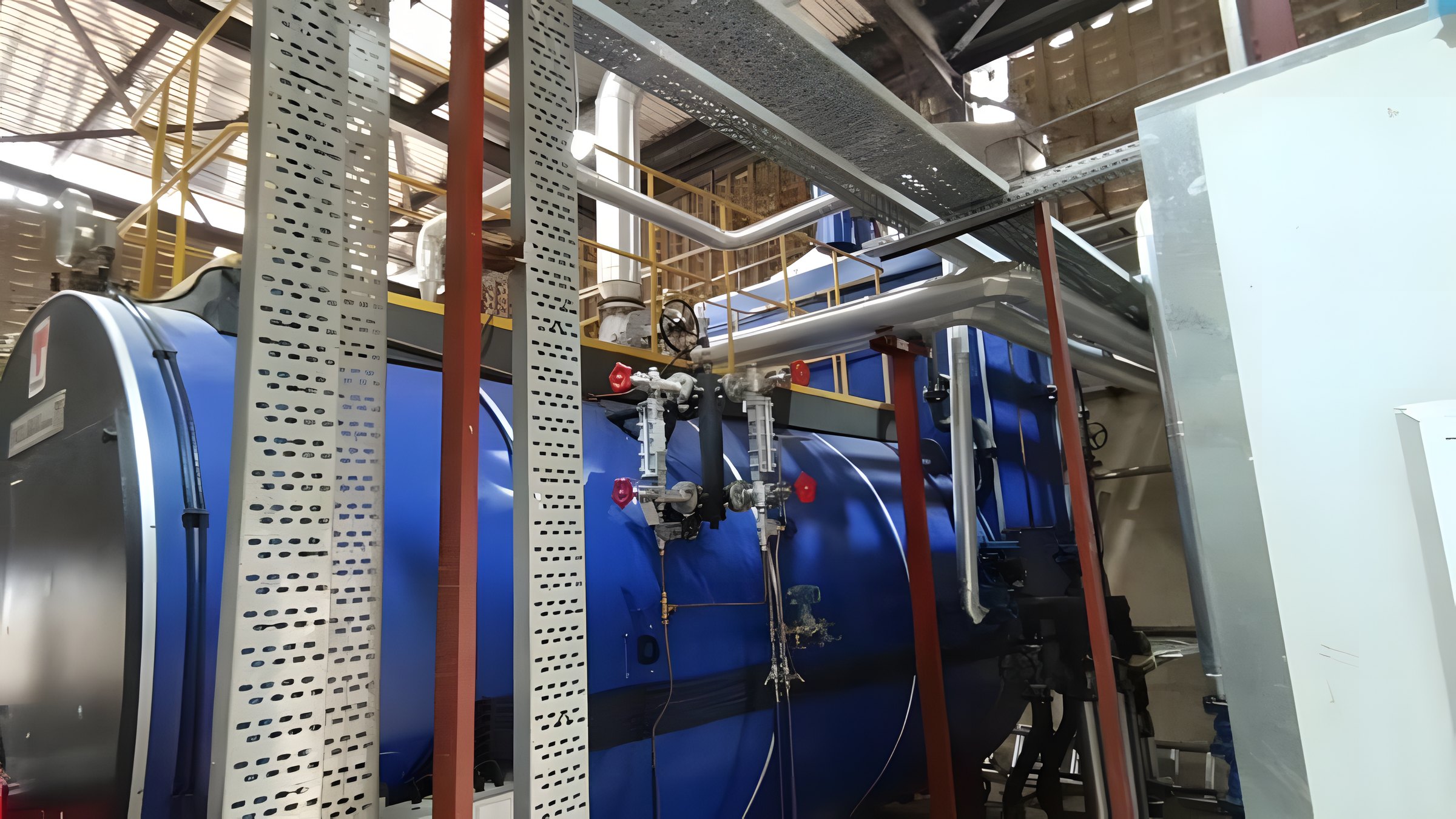
A fire tube boiler is a large steel shell filled with water. The burner fires into a furnace tube inside the shell. Then the hot gas travels through banks of smaller tubes before it leaves through the chimney. Heat passes through the tube walls into the water around them.
Most packaged boilers in Nigerian factories are fire tube units. They arrive in one piece, with the burner, controls and pumps already mounted. Because of that, installation is quick. The large volume of water also stores energy, so the boiler copes well with sudden swings in demand.
On the other hand, the shell limits the design. A big shell at high pressure needs very thick steel. So fire tube boilers rarely go above about 25 bar or roughly 25 to 30 tonnes of steam per hour.
What is a water tube boiler?
In a water tube boiler, water circulates inside the tubes. The tubes connect a steam drum at the top to a water drum or headers at the bottom. Hot gas from the furnace flows across the outside of the tubes. Steam then collects in the top drum.
Small tubes hold pressure far better than a large shell. Therefore, a water tube boiler can run at very high pressure and can produce superheated steam for turbines. It also holds much less water, so it raises steam quickly.
The furnace can be large and tall as well. That matters for solid fuels, which need space and time to burn. For this reason, almost every large biomass boiler is a water tube design. Our 25 TPH biomass boiler project for Dufil in Port Harcourt is one example.
Fire tube vs water tube boiler at a glance
The table below sets out the main differences.
| Feature | Fire tube boiler | Water tube boiler |
|---|---|---|
| Where the water is | Around the tubes, in a shell | Inside the tubes |
| Typical capacity | Up to about 25 to 30 TPH | From small units to hundreds of TPH |
| Typical pressure | Up to about 25 bar | Well above 25 bar |
| Superheated steam | Limited | Standard option |
| Start-up time | Slower, because of the water volume | Faster |
| Response to load swings | Very good | Good, but needs tighter control |
| Fuels | Gas, diesel, furnace oil | All fuels, including biomass and coal |
| Footprint | Compact and low | Taller, often built on site |
| Water quality needs | Forgiving | Strict |
| Purchase price | Lower | Higher |
| Site work | Short | Longer |
When is a fire tube boiler the better choice?
For most factories, a fire tube boiler is the sensible default. Choose it when the following apply:
- your steam demand is below about 20 TPH
- your process needs saturated steam at low or medium pressure
- you burn gas, diesel or furnace oil
- demand swings during the day, as it does in batch processes
- you want a short installation and a simple machine to run
Food, beverage, textile, laundry and packaging plants usually fit this picture. For example, a packaged shell boiler serves the tea and beverage plant in our Twinings project in Ikeja. The boiler arrived as one unit. After that, most of the site work was the balance of plant around it.
When is a water tube boiler the better choice?
Some duties are beyond a shell boiler. In those cases, a water tube boiler is the right tool. Choose it when:
- you need more than about 25 to 30 TPH from one unit
- your process or turbine needs high pressure or superheated steam
- you plan to burn biomass, such as palm kernel shells, wood chips or husks
- you want to generate power as well as process steam
- you need steam quickly after a cold start
Distilleries, sugar plants, large food groups and power users often fall into this group. Still, the decision is not always about size. A small water tube boiler can make sense when the fuel is solid or when space on the ground is tight but height is free.
How do the two types compare on cost?
A fire tube boiler usually costs less to buy and far less to install. It ships complete, so the site team sets it on its foundation, connects the services and commissions it.
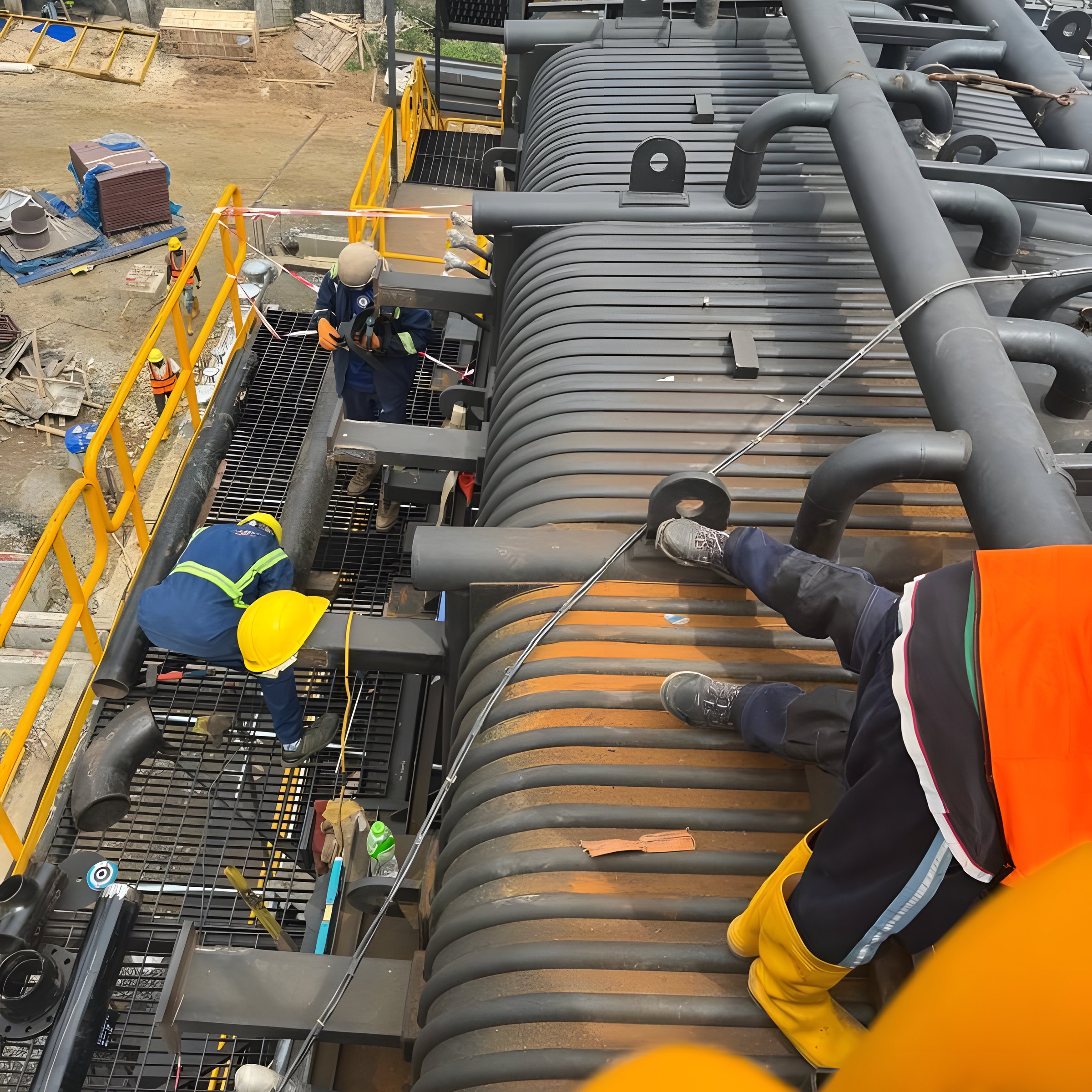
By contrast, a large water tube boiler arrives in pieces. The team erects the pressure parts, welds the tubes, builds the casing and installs the refractory on site. That takes months, not weeks. As a result, the installation budget is much larger.
However, purchase price is only part of the story. If biomass is cheap near your plant, a water tube boiler can repay its higher capital cost through a much lower fuel bill. So compare lifetime cost, not just the invoice. We explain how to build that budget in our guide to industrial boiler cost in Nigeria.
Which type is safer?
Both are safe when people design, install and operate them properly. Yet they fail in different ways.
A fire tube boiler stores a large mass of hot water under pressure. If the shell fails, the release of energy is severe. That is why low water protection and regular inspection matter so much.
A water tube boiler stores less water. So a tube failure is usually a smaller event. On the other hand, the low water volume leaves less margin if the feed water stops. Therefore, level control and feed pump reliability are critical.
In both cases, follow the maker’s manual and a recognised code. The ASME Boiler and Pressure Vessel Code is one of the most widely used standards for design and inspection.
How does water treatment differ?
Water quality matters for every boiler. Even so, a water tube boiler is less forgiving.
Scale inside a water tube blocks flow and insulates the metal. The tube then overheats and can rupture. High pressure makes the limits tighter still. For that reason, high pressure plants usually need demineralised or reverse osmosis water, a deaerator and close chemical control.
A fire tube boiler tolerates softened water in most cases. Nevertheless, it still needs daily testing and blowdown. Our boiler water treatment guide explains the basics for both types.
What about maintenance?
Fire tube boilers are simple to open and clean. First, the team opens the doors at each end. Then they brush the tubes. An annual shutdown of a few days is normally enough.
A water tube boiler needs more specialist care. Soot blowers keep the gas side clean while the boiler runs. During the shutdown, inspectors check drums, tubes, refractory and, on biomass units, the grate and ash system. Because there are more parts, the plant needs more skilled people.
In both cases, a written routine prevents most failures. You can adapt our boiler maintenance checklist to either design.
Can one plant use both types?
Yes, and many do. For example, a plant may run a biomass water tube boiler for its base load. Then it keeps a gas or diesel fire tube boiler as standby and for peak demand. This mix gives low fuel cost most of the time. It also gives fast, simple backup when the main boiler is down for cleaning.
Frequently asked questions about fire tube and water tube boilers
Which is more efficient, a fire tube or a water tube boiler?
Modern units of both types reach similar efficiency on the same fuel. The economiser, the burner and the condition of the heating surfaces matter more than the layout. So a clean, well tuned boiler of either type will beat a neglected one.
Why is a water tube boiler used for high pressure?
Small tubes resist pressure much better than a large shell. Therefore, a water tube boiler can hold high pressure with thinner metal. A shell boiler at the same pressure would need impractically thick plates.
What is the main disadvantage of a fire tube boiler?
Its capacity and pressure are limited. In addition, it takes longer to raise steam from cold, because it holds a large volume of water.
Can a fire tube boiler burn biomass?
Some small designs can, with an external furnace. However, most serious biomass plants use a water tube boiler, because solid fuel needs a large furnace and good ash handling.
Choose the boiler that fits the duty
Start with the facts: your steam load, your pressure, your fuel and your site. In most small and medium plants, a fire tube boiler will be the answer. For high pressure, large capacity or biomass, a water tube boiler earns its extra cost.
Maven Technical Services installs and maintains both types, and we are the appointed partner of Thermax for boiler installation and maintenance. Send us your steam load and fuel options, and our engineers will recommend the right design. You can also see completed boiler plants on our projects page.